
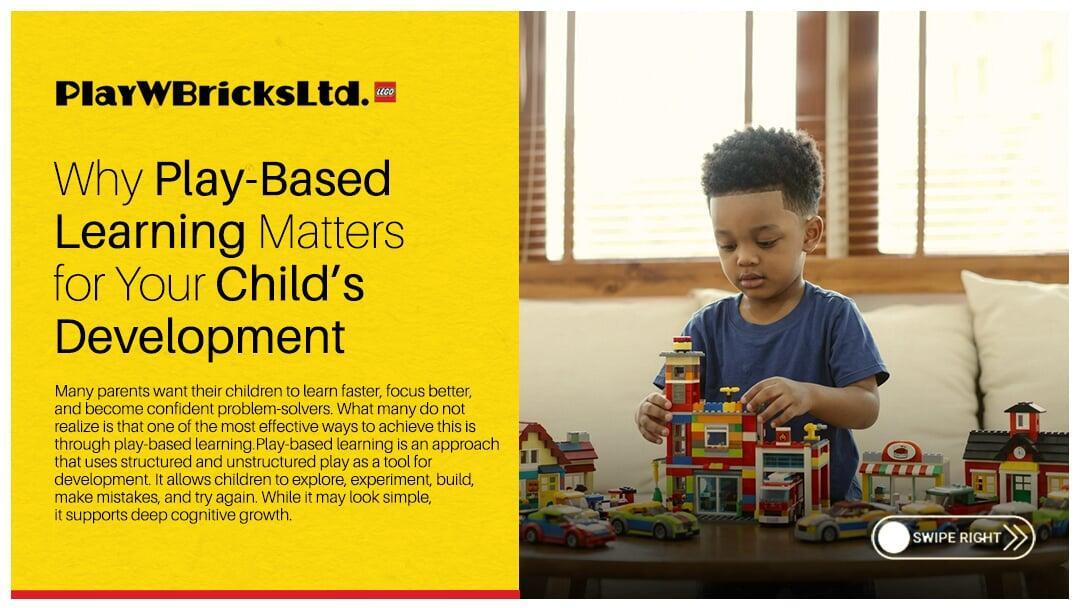
Many parents want their children to learn faster, focus better, and become confident problem-solvers. What many do not realize is that one of the most effective ways to achieve this is through play-based learning.
Play-based learning is an approach that uses structured and unstructured play as a tool for development. It allows children to explore, experiment, build, make mistakes, and try again. While it may look simple, it supports deep cognitive growth.
Play Strengthens Brain Development
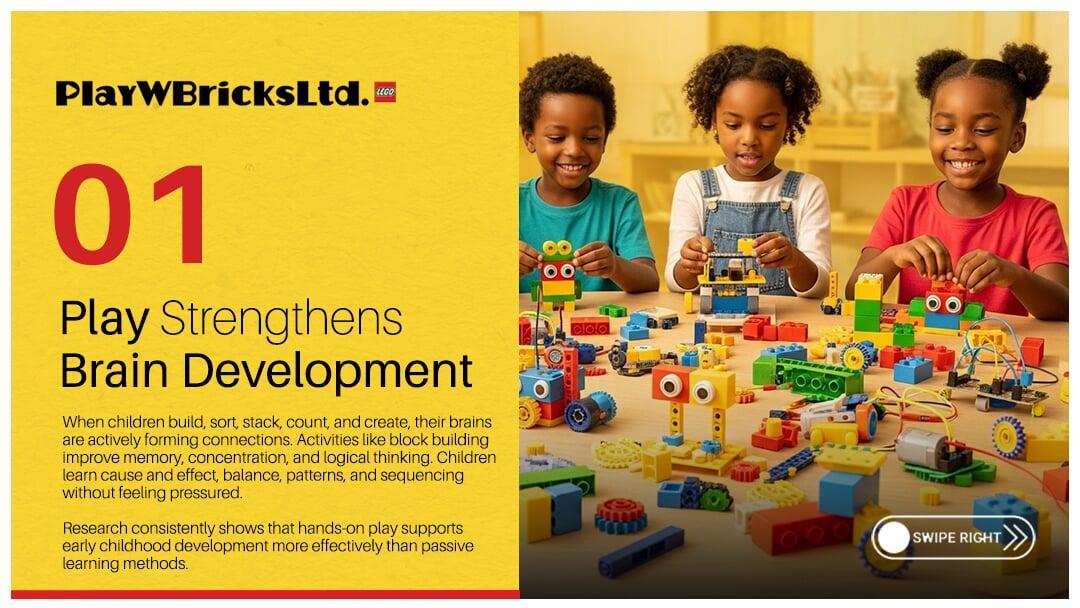
When children build, sort, stack, count, and create, their brains are actively forming connections. Activities like block building improve memory, concentration, and logical thinking. Children learn cause and effect, balance, patterns, and sequencing without feeling pressured.
Research consistently shows that hands-on play supports early childhood development more effectively than passive learning methods.
Play Builds Problem-Solving Skills
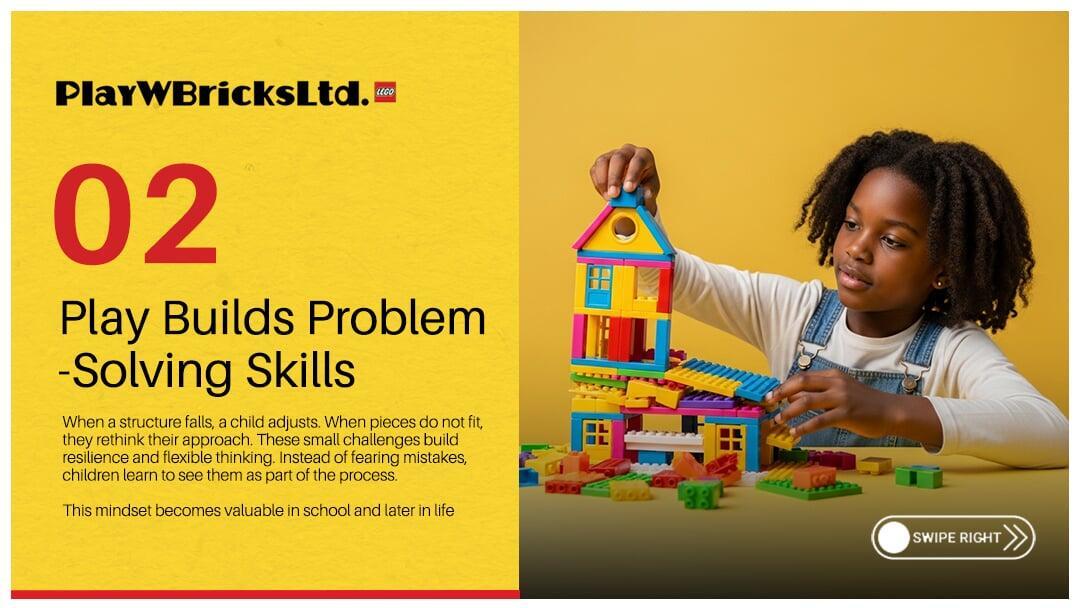
When a structure falls, a child adjusts. When pieces do not fit, they rethink their approach. These small challenges build resilience and flexible thinking. Instead of fearing mistakes, children learn to see them as part of the process.
This mindset becomes valuable in school and later in life.
Play Improves Focus and Patience
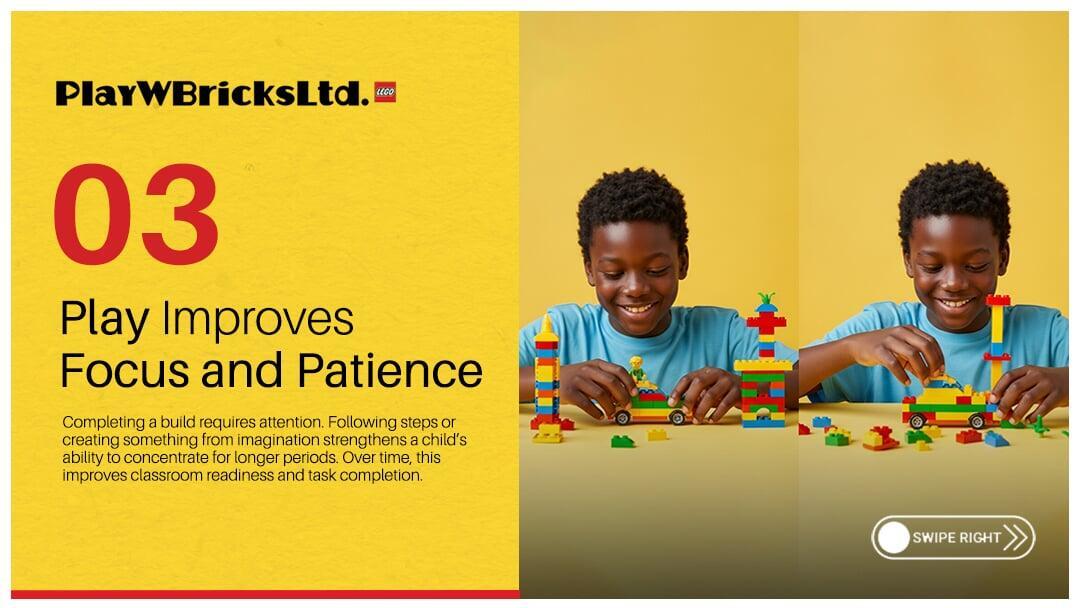
Completing a build requires attention. Following steps or creating something from imagination strengthens a child’s ability to concentrate for longer periods. Over time, this improves classroom readiness and task completion.
Play Encourages Creativity and Confidence
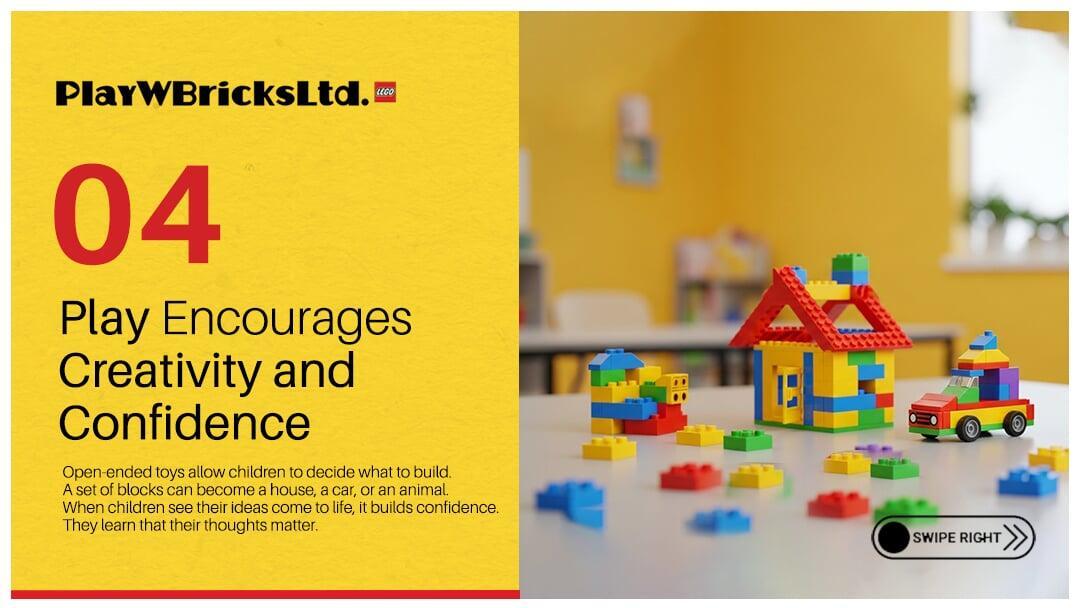
Open-ended toys allow children to decide what to build. A set of blocks can become a house, a car, or an animal. When children see their ideas come to life, it builds confidence. They learn that their thoughts matter.
Play Supports Social and Emotional Growth
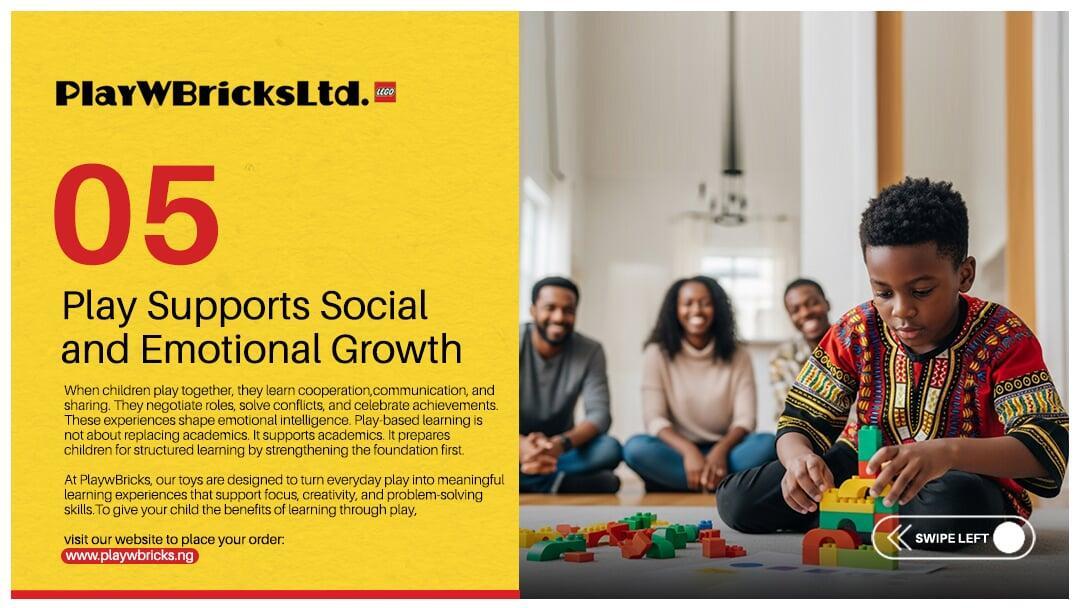
When children play together, they learn cooperation, communication, and sharing. They negotiate roles, solve conflicts, and celebrate achievements. These experiences shape emotional intelligence.
Play-based learning is not about replacing academics. It supports academics. It prepares children for structured learning by strengthening the foundation first.
At PlaywBricks, our toys are designed to turn everyday play into meaningful learning experiences that support focus, creativity, and problem-solving skills.
To give your child the benefits of learning through play, visit our website to place your order:
www.playwbricks.ng
