

There is a quiet frustration many people experience when it comes to learning, even if they do not always express it openly. A parent may notice that their child studies regularly but still struggles to truly understand. A teenager may be preparing seriously for exams but feels unsure about their direction. An adult may want to grow, improve, or access better opportunities but feels stuck without a clear starting point. At first glance, it often appears to be an issue of effort. Many people respond by trying harder, studying longer, or doing more. However, when effort increases and results remain the same, it becomes clear that something deeper is missing. The real issue is not effort but direction. Learning without direction creates confusion and frustration over time. Learning with the right guidance creates clarity, confidence, and measurable progress. This is where structured academic support becomes not just helpful, but essential.
Understanding the real gap in learning today
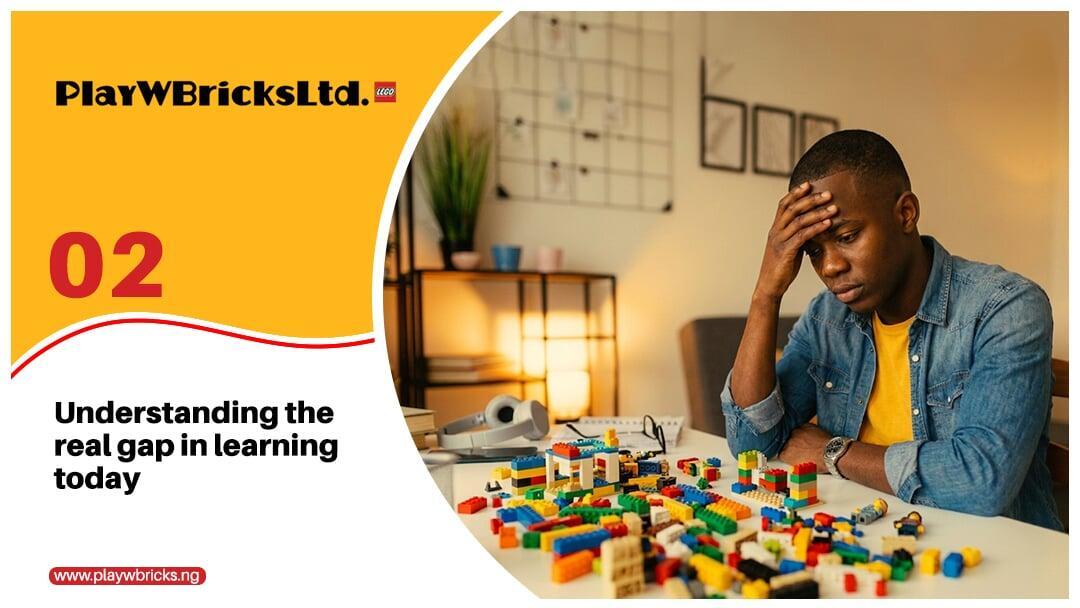
Across all age groups, the biggest challenge is not a lack of intelligence or willingness to learn. The real issue is the gap between what is being taught and what is actually understood. Many learners are exposed to information, but they are not guided on how to process, apply, and retain it effectively. This gap also exists between current performance and true potential. Many individuals are capable of far more than they are currently achieving, but without the right structure, that potential remains untapped. Over time, this leads to frustration and reduced confidence. Another key factor is lack of exposure. When learners are not aware of opportunities, pathways, or possibilities, they make decisions based on limited information. Closing this gap requires more than teaching. It requires guidance, clarity, and intentional support.
Children
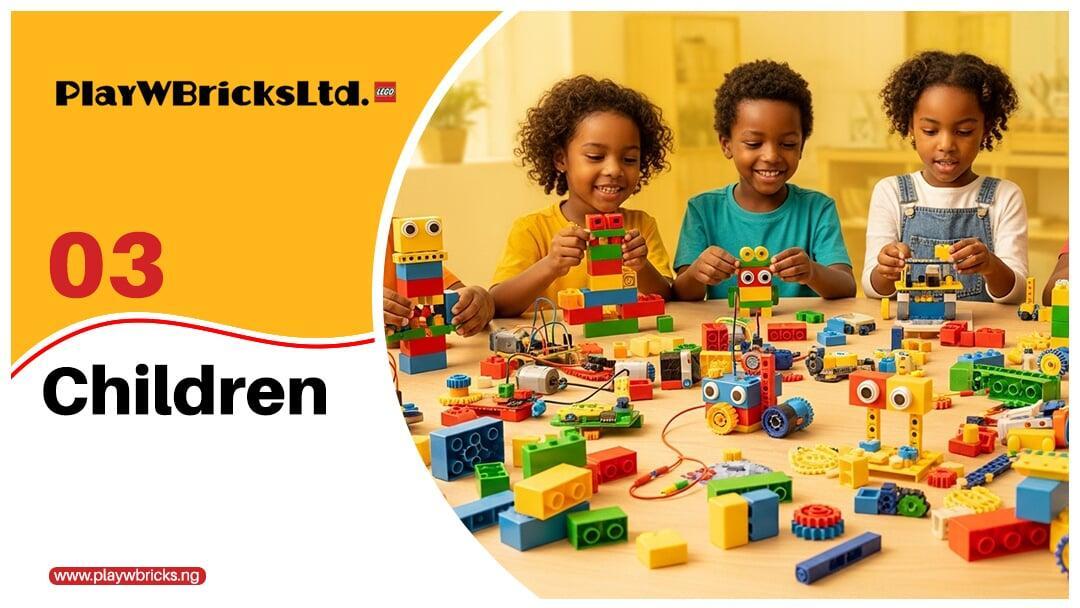
Children are naturally curious and eager to learn, but this curiosity can fade when learning becomes repetitive or unclear. Many children attend school daily, complete assignments, and prepare for tests, yet struggle to explain what they have learned in their own words. This is a clear sign that understanding is missing. When learning is based on memorising rather than understanding, children may perform temporarily but struggle in the long term. Concepts become confusing, and confidence begins to decline. Over time, this can lead to a lack of interest in learning altogether. With the right academic support, children begin to rebuild their foundation. They start to understand concepts clearly, ask questions confidently, and engage more actively in their learning process. This early intervention is critical because it shapes how they approach education in the future.
Teenagers

Teenagers are at a stage where academic performance and future decisions become increasingly important. They face pressure from exams, expectations from parents and teachers, and the need to make decisions about subjects and career paths. Despite this, many teenagers are not given the clarity or strategy needed to navigate this stage effectively. As a result, they often study harder without seeing proportional improvement. They may feel overwhelmed, uncertain, or unsure about
what steps to take next. This creates stress rather than progress. With proper guidance, teenagers can shift from confusion to clarity. They begin to understand how to approach their studies strategically, make informed decisions about their future, and build confidence in their abilities. This support helps them move forward with direction rather than guesswork.
Adults

Adults approach learning with a different mindset. They are often more aware of their gaps and more intentional about improving. However, they also face significant constraints such as limited time, work responsibilities, and lack of structured learning pathways. Many adults want to improve communication skills, gain academic qualifications, or explore global opportunities. Yet without a clear roadmap, these goals remain ideas rather than actions. This leads to delays and missed opportunities. With the right support, adults can experience focused and practical growth. Learning becomes structured, relevant, and aligned with their goals. Instead of feeling stuck, they begin to take clear and confident steps towards improvement and advancement.
Why traditional learning methods are no longer enough
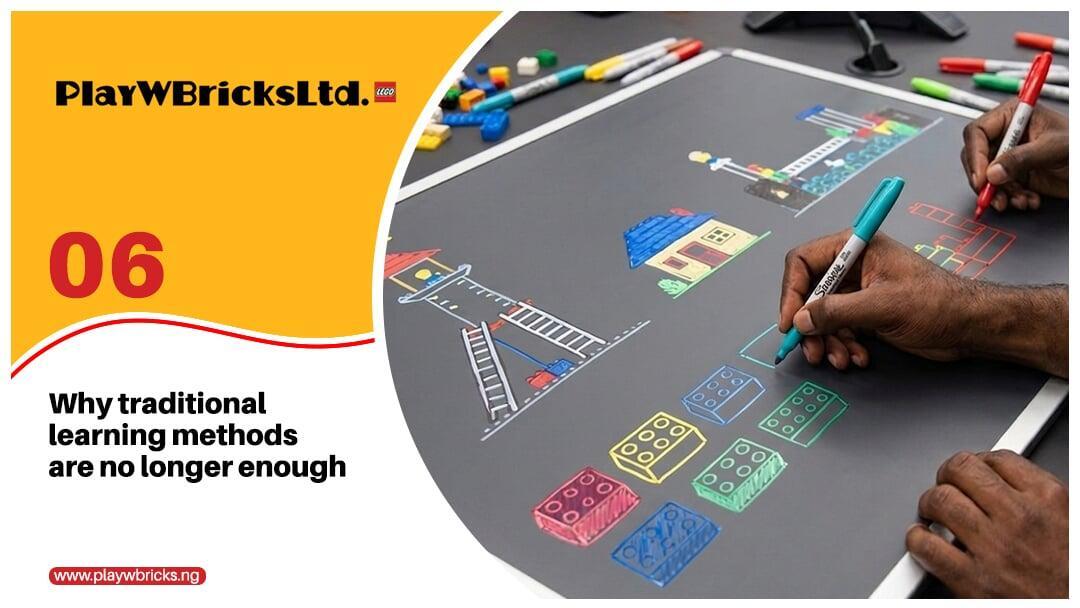
Traditional learning systems are largely designed around content delivery. They focus on covering topics rather than ensuring deep understanding. While this approach may work for basic exposure, it does not produce consistent or long term results. Learners today need more than access to information. They need to understand how to apply knowledge, solve problems, and think independently. Without this, learning becomes repetitive and ineffective. In a rapidly changing world, education must evolve. It must move from passive learning to active engagement. It must prioritise understanding, adaptability, and real world relevance. This is why structured academic support is becoming increasingly important.
What effective academic support looks like

Effective academic support goes beyond teaching lessons. It focuses on identifying specific gaps, understanding the learner needs, and providing targeted solutions. It is intentional, structured, and results driven. It involves continuous assessment, personalised strategies, and consistent feedback. This ensures that progress is not only made but sustained over time. Learners are not left guessing but are guided step by step. This type of support creates a strong foundation for growth. It
builds both competence and confidence, allowing learners to move forward with clarity and purpose.
Strong foundations across all subjects
A strong academic foundation is essential for long term success. When core subjects such as English, mathematics, and sciences are not properly understood, it affects performance in more advanced areas. Learning becomes increasingly difficult and frustrating. Building strong foundations ensures that learners can approach new topics with confidence. It makes learning smoother and more efficient. Instead of struggling with basics, learners can focus on deeper understanding and application. This is why academic support must cover all subjects, not just areas of immediate concern. A well rounded foundation creates stability and long term academic strength.
Personalised support
Every learner is unique, with different strengths, weaknesses, and learning styles. A standard approach cannot address these differences effectively. Personalised support recognises this and adapts accordingly. It focuses on the individual rather than the group. It identifies specific challenges and provides targeted solutions. This leads to faster improvement and deeper understanding. When learners feel that their needs are understood and addressed, they become more engaged and motivated. This makes the learning process more effective and rewarding.
Confidence and communication
Knowledge alone is not enough if it cannot be expressed clearly. Many learners struggle not because they do not know the answer, but because they lack the confidence to communicate it. This affects performance in class, exams, and real life situations. Building communication skills helps learners express their thoughts clearly and confidently. It improves participation, engagement, and overall performance. Confidence becomes a natural result of understanding and practice. This is especially important in today world, where communication plays a key role in both academic and professional success.
Exposure
Exposure is one of the most overlooked aspects of education. Many learners are not aware of the opportunities available to them simply because they have not been exposed to them. This limits their vision and decision making. Exposure introduces learners to new possibilities, pathways, and opportunities. It helps them understand what is achievable and what steps are required to get there. This creates motivation and direction. With proper exposure, learners and families can make informed decisions. They can plan strategically and take advantage of opportunities that would otherwise remain unknown.
Guidance

Guidance is what connects effort to results. Without guidance, learners rely on trial and error, which often leads to frustration. With guidance, every step is intentional and aligned with a clear goal. It provides structure, direction, and clarity. It helps learners focus on what matters and avoid unnecessary confusion. This makes learning more efficient and effective. Guidance ensures that progress is not left to chance. It creates a clear pathway from where a learner is to where they want tto be.
Transformation
When the right support system is in place, the transformation is clear and consistent. It affects not just academic performance but also mindset and confidence. Children become more engaged and curious. Teenagers become more focused and strategic. Adults become more confident and proactive. This transformation is not temporary. It is sustainable because it is built on understanding, structure, and continuous support.
Closing the gap between potential and performance
Every learner has potential, but potential alone is not enough. The difference between potential and performance lies in how that potential is developed. With the right combination of support, guidance, consistency, and exposure, this gap can be closed effectively. Progress becomes steady and measurable. Instead of feeling stuck, learners begin to see improvement. This builds confidence and encourages continued growth.
Preparing for the future
The future demands more than academic knowledge. It requires critical thinking, adaptability, communication, and confidence. These skills are essential for success in a competitive and evolving world. Preparing for the future means going beyond textbooks. It involves developing the ability to think independently, solve problems, and communicate effectively. With the right learning environment, these skills can be developed intentionally. This ensures that learners are not just prepared for exams, but for life.
Final thoughts

Learning should not feel confusing or overwhelming. It should feel clear, structured, and purposeful. When learners understand what they are doing and why they are doing it, progress becomes natural. At every stage of life, the goal remains the same. To move forward with clarity, confidence, and direction. Not just to learn, but to grow meaningfully. When the right academic support, guidance, and exposure come together, results are no longer uncertain. They become expected.
