
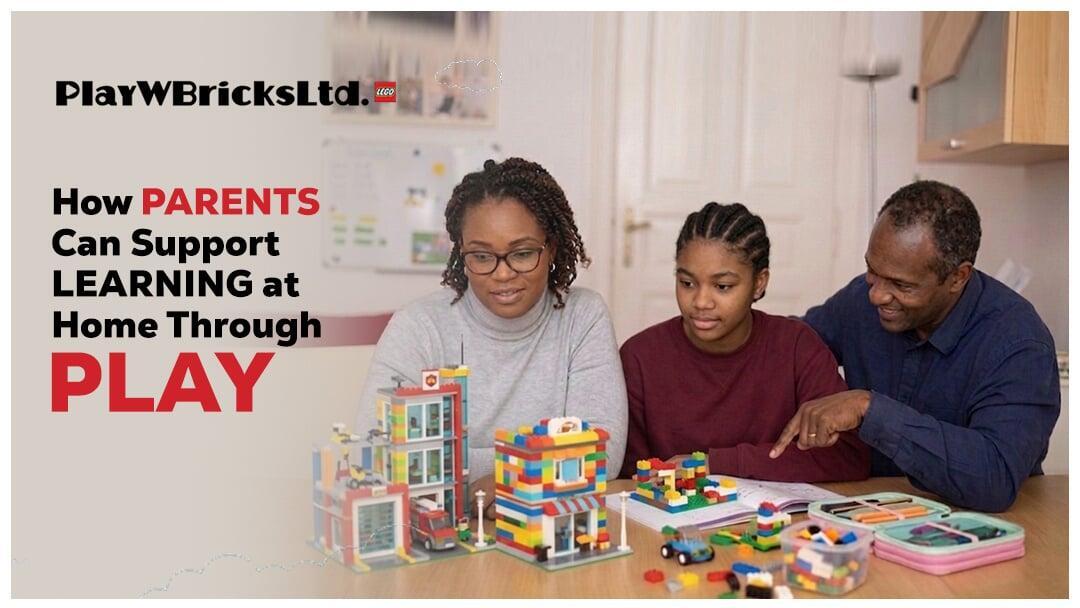
Many parents feel pressure to do more. Extra lessons. More worksheets. More structured activities. The intention is good. Every parent wants their child to succeed. But learning at home does not always need to look like a classroom.
Children learn best when they are actively involved. When they touch, build, sort, test ideas, and try again, they understand concepts more deeply. This is where play becomes powerful.
Learning Happens in Simple Moments
Learning Happens in Simple Moments
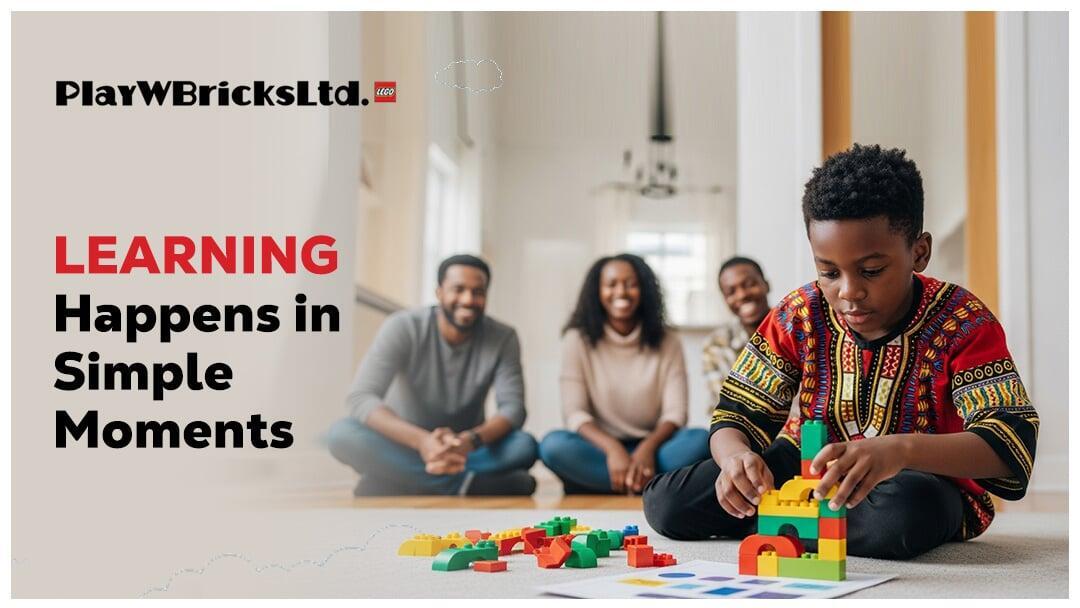
When a child builds with blocks, they are learning mathematics. They explore shapes, balance, measurement, and patterns. When they count pieces or compare sizes, they practice early numeracy skills. When they describe what they are building, they develop language skills.
These are not random activities. They are building blocks for academic success.
Focus on the Process, Not Perfection
Focus on the Process, Not Perfection
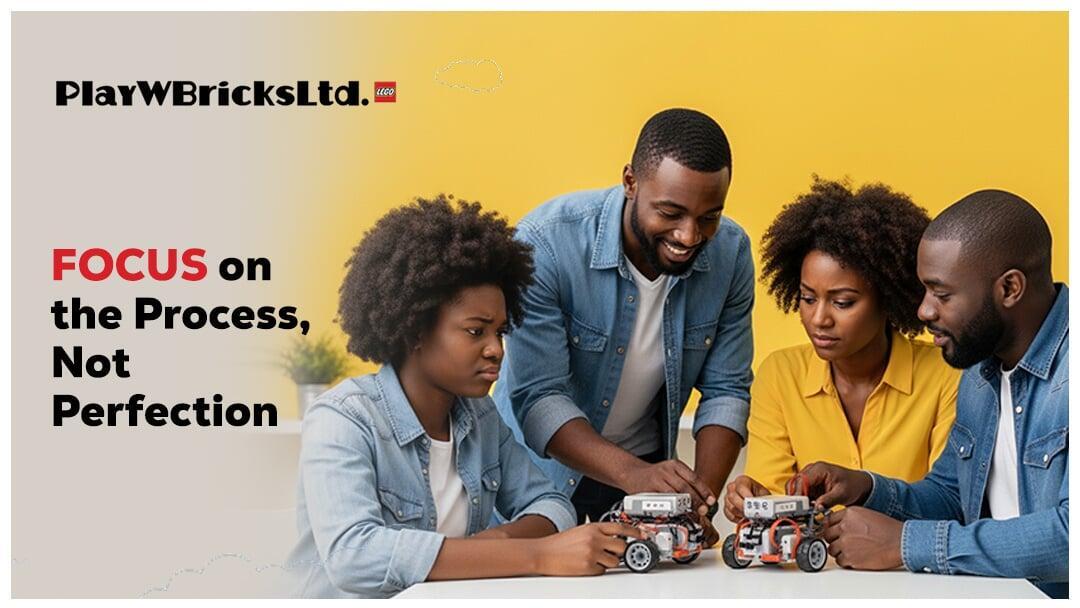
Parents sometimes step in too quickly to correct mistakes. It is natural to want to help. However, allowing children to figure things out builds independence. When a structure falls and a child rebuilds it, they are developing problem-solving skills and patience.
Ask questions instead of giving answers.
“What do you think will make it stronger?”
“How can we fix it?”
This encourages thinking instead of dependency.
Create a Learning-Friendly Environment
Create a Learning-Friendly Environment
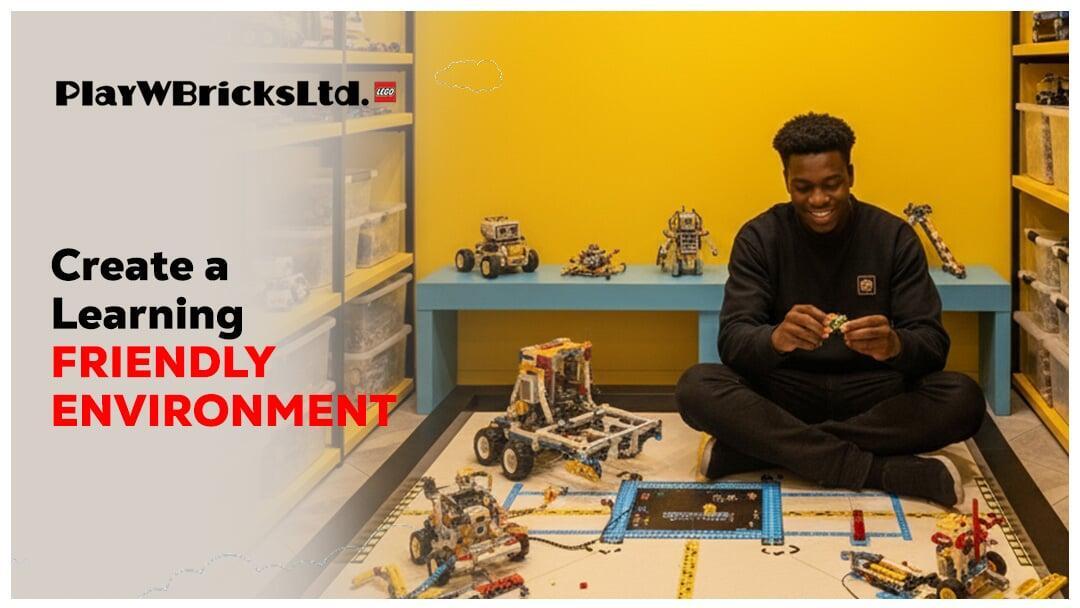
You do not need a special room. A small, organized space where a child can build freely is enough. Keep materials accessible. Let your child take the lead. Supervise, guide when needed, but allow freedom to explore.
Consistency matters more than duration. Even 20 to 30 minutes of focused play can make a difference.
Limit Passive Screen Time
Limit Passive Screen Time
Screens can entertain, but they rarely replace hands-on learning. Building, sorting, and creating engage multiple areas of the brain at once. Physical play strengthens coordination, attention span, and memory in ways passive activities cannot.
Balance is key. Prioritize activities that require thinking and doing.
Encourage Creativity Without Pressure
Encourage Creativity Without Pressure
Avoid turning every activity into a test. Not every build needs to be perfect or follow instructions exactly. Open-ended play builds confidence because children feel ownership of their ideas.
Celebrate effort. Notice improvement. Support curiosity.
Supporting your child’s learning at home does not require expensive programs or rigid schedules. It requires intention, patience, and the right tools that encourage active thinking.
At PlaywBricks, we design play materials that help children build focus, creativity, and problem-solving skills through hands-on learning.
To support your child’s growth through meaningful play, visit our website to place your order:
www.playwbricks.ng
